سلتك فارغة
برامج تعليمية
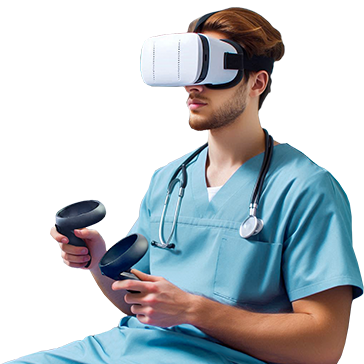
mozaMedical
Digital complex learning materials for health sciences
To deepen and check your knowledge in health sciences, use the mozaMedical STUDENT licence. To give a presentation in a classroom or at a conference, or if you have a low-speed Internet connection, choose the mozaMedical PRESENTER licence. For institutional discounts, please contact our colleagues.
mozaMedical - Digital complex learning materials for health sciences
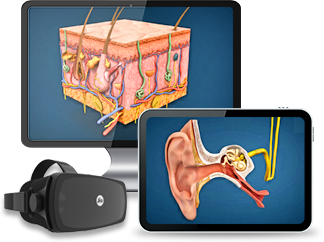
mozaMedical PERSONAL
للطلاب - الدراسة و الممارسة
- Access to digital lessons
- Use of educational simulations with or without VR glasses
- Compatible with every device
XR Extended Reality
المستخدم / 99 EUR
مستخدم
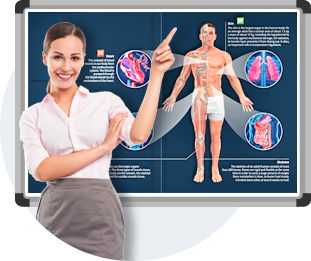
mozaMedical PROFESSIONAL
للمحاضرين - التدريس و العروض التقديمية
- Fascinating courses with one click
- Interactive tools for assessment
- Presentations on large displays during classes and conferences
XR Extended Reality
المستخدم / 198 EUR
مستخدم
* حزمة تراخيص: التراخيص التي تم شراؤها في الحزمة لها رمز تنشيط مشترك يمكن استخدامه على عدد من الأجهزة يساوي عدد التراخيص الموجودة في الحزمة.
ترخيص المستخدم
يسمح ترخيص المستخدم للمستخدم بتسجيل الدخول على أجهزة مختلفة (مثل أجهزة الكمبيوتر أو اللوحات التفاعلية أو أجهزة الكمبيوتر المحمولة أو الأجهزة اللوحية أو الهواتف الذكية) بإستخدام إسم المستخدم و كلمة المرور الخاصين به. يمكن للمستخدم إستخدام كل من الموزابوك و الموزاويب و لكن يمكن تسجيل الدخول على جهاز واحد فقط في كل مرة. يوصى بهذا النوع من الترخيص عندما يعمل المستخدمون على أجهزة الكمبيوتر الخاصة بهم أو يرغبون في الوصول إلى منصة موزيك على أجهزة متعددة.
ترخيص مستند إلى جهاز
بإستخدام ترخيص الجهاز، يمكنك إستخدام البرنامج الموجود على هذا الجهاز لعدد غير محدود من المستخدمين. في هذه الحالة، لا يحتاج المستخدمون إلى ترخيص. يوصى بإستخدام الأداة من قبل العديد من المعلمين أو الطلاب. بإستخدام هذا الترخيص، يلزم هذا الترخيص الأجهزة فقط، بغض النظر عن عدد المدرسين أو الطلاب الذين يمكنهم الوصول إليه. الإشعار القانوني الذي يجب قبوله قبل الشراء
من خلال شراء ترخيص إدارة المدرسة، أؤكد بموجب هذا ما يلي:
- أقوم بشراء الترخيص بموجب تفويض صريح من المؤسسة و سوف أستخدمه حصرياً نيابة عنها و وفقاً لأغراضها الرسمية.
- أقر بأن الإستخدام غير القانوني للترخيص، و خاصة المعالجة غير المصرح بها للبيانات الشخصية، يعتبر جريمة جنائية.
- مع العلم بمسؤوليتي الجنائية، أعلن أنني أتحمل كل المسؤولية القانونية و الأخلاقية المتعلقة بالشراء و أنني أدرك أن أي إجراء غير قانوني، و خاصة إساءة إستخدام بيانات المستخدم، سيكون له عواقب قانونية.
cadaVR - أطلس تشريح رقمي
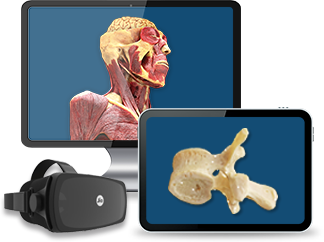
cadaVR PERSONAL
للطلاب - الدراسة و الممارسة
- ترخيص مستخدم يسمح لطالب واحد بإستخدام أطلس التشريح الرقمي على أجهزة متعددة.
- الوصول الكامل إلى المحتوى التفاعلي و أسئلة الإختبار و وظيفة الواقع الإفتراضي (PC VR).
XR Extended Reality
حزمة الترخيص*
المستخدم / 99 EUR
مستخدم
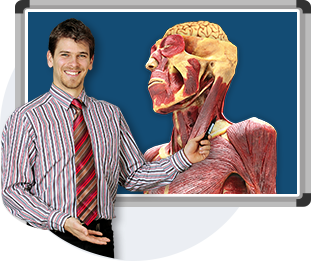
cadaVR PROFESSIONAL
للمعلمين - التدريس و العروض التقديمية
- ترخيص المستخدم الذي يمكن للمحاضر/الطبيب من خلاله إستخدام الأطلس التشريحي الرقمي على العديد من الأجهزة و أجهزة العرض و السبورات التفاعلية.
- الوصول الكامل إلى المحتوى التفاعلي و أسئلة الإختبار و وظيفة الواقع الإفتراضي (PC VR).
- تشغيل أسرع، حركة مرور بيانات أقل - نماذج ثلاثية الأبعاد قابلة للتنزيل لتقليل حركة مرور البيانات.
XR Extended Reality
حزمة الترخيص*
المستخدم / 198 EUR
مستخدم
* حزمة تراخيص: التراخيص التي تم شراؤها في الحزمة لها رمز تنشيط مشترك يمكن استخدامه على عدد من الأجهزة يساوي عدد التراخيص الموجودة في الحزمة.
ترخيص المستخدم
يسمح ترخيص المستخدم للمستخدم بتسجيل الدخول على أجهزة مختلفة (مثل أجهزة الكمبيوتر أو اللوحات التفاعلية أو أجهزة الكمبيوتر المحمولة أو الأجهزة اللوحية أو الهواتف الذكية) بإستخدام إسم المستخدم و كلمة المرور الخاصين به. يمكن للمستخدم إستخدام كل من الموزابوك و الموزاويب و لكن يمكن تسجيل الدخول على جهاز واحد فقط في كل مرة. يوصى بهذا النوع من الترخيص عندما يعمل المستخدمون على أجهزة الكمبيوتر الخاصة بهم أو يرغبون في الوصول إلى منصة موزيك على أجهزة متعددة.
ترخيص مستند إلى جهاز
بإستخدام ترخيص الجهاز، يمكنك إستخدام البرنامج الموجود على هذا الجهاز لعدد غير محدود من المستخدمين. في هذه الحالة، لا يحتاج المستخدمون إلى ترخيص. يوصى بإستخدام الأداة من قبل العديد من المعلمين أو الطلاب. بإستخدام هذا الترخيص، يلزم هذا الترخيص الأجهزة فقط، بغض النظر عن عدد المدرسين أو الطلاب الذين يمكنهم الوصول إليه. الإشعار القانوني الذي يجب قبوله قبل الشراء
من خلال شراء ترخيص إدارة المدرسة، أؤكد بموجب هذا ما يلي:
- أقوم بشراء الترخيص بموجب تفويض صريح من المؤسسة و سوف أستخدمه حصرياً نيابة عنها و وفقاً لأغراضها الرسمية.
- أقر بأن الإستخدام غير القانوني للترخيص، و خاصة المعالجة غير المصرح بها للبيانات الشخصية، يعتبر جريمة جنائية.
- مع العلم بمسؤوليتي الجنائية، أعلن أنني أتحمل كل المسؤولية القانونية و الأخلاقية المتعلقة بالشراء و أنني أدرك أن أي إجراء غير قانوني، و خاصة إساءة إستخدام بيانات المستخدم، سيكون له عواقب قانونية.
للمؤسسات - Complete solution for educational institutions

INSTITUTE licence
- الوصول على مستوى المؤسسة، مما يتيح الوصول الكامل لجميع الطلاب وأعضاء هيئة التدريس والموظفين في مؤسسة تعليمية طبية أو معهد تشريحي أو مركز طبي.
- الوصول الكامل إلى المحتوى التفاعلي و أسئلة الإختبار و وظيفة الواقع الإفتراضي (PC VR).
- تشغيل أسرع، حركة مرور بيانات أقل - نماذج ثلاثية الأبعاد قابلة للتنزيل لتقليل حركة مرور البيانات.
ترخيص المستخدم
يسمح ترخيص المستخدم للمستخدم بتسجيل الدخول على أجهزة مختلفة (مثل أجهزة الكمبيوتر أو اللوحات التفاعلية أو أجهزة الكمبيوتر المحمولة أو الأجهزة اللوحية أو الهواتف الذكية) بإستخدام إسم المستخدم و كلمة المرور الخاصين به. يمكن للمستخدم إستخدام كل من الموزابوك و الموزاويب و لكن يمكن تسجيل الدخول على جهاز واحد فقط في كل مرة. يوصى بهذا النوع من الترخيص عندما يعمل المستخدمون على أجهزة الكمبيوتر الخاصة بهم أو يرغبون في الوصول إلى منصة موزيك على أجهزة متعددة.
ترخيص مستند إلى جهاز
بإستخدام ترخيص الجهاز، يمكنك إستخدام البرنامج الموجود على هذا الجهاز لعدد غير محدود من المستخدمين. في هذه الحالة، لا يحتاج المستخدمون إلى ترخيص. يوصى بإستخدام الأداة من قبل العديد من المعلمين أو الطلاب. بإستخدام هذا الترخيص، يلزم هذا الترخيص الأجهزة فقط، بغض النظر عن عدد المدرسين أو الطلاب الذين يمكنهم الوصول إليه. الإشعار القانوني الذي يجب قبوله قبل الشراء
من خلال شراء ترخيص إدارة المدرسة، أؤكد بموجب هذا ما يلي:
- أقوم بشراء الترخيص بموجب تفويض صريح من المؤسسة و سوف أستخدمه حصرياً نيابة عنها و وفقاً لأغراضها الرسمية.
- أقر بأن الإستخدام غير القانوني للترخيص، و خاصة المعالجة غير المصرح بها للبيانات الشخصية، يعتبر جريمة جنائية.
- مع العلم بمسؤوليتي الجنائية، أعلن أنني أتحمل كل المسؤولية القانونية و الأخلاقية المتعلقة بالشراء و أنني أدرك أن أي إجراء غير قانوني، و خاصة إساءة إستخدام بيانات المستخدم، سيكون له عواقب قانونية.
مقارنة التراخيص - mozaMedical
| ترخيص شخصي | الترخيص المهني | |
| قائمة الأسعار (1 رخصة / سنة) | المستخدم / 99 EUR |
المستخدم / 198 EUR |
| حزمة الترخيص / سنة (على الأقل 10 ترخيص) | المستخدم / 89 EUR |
المستخدم / 178 EUR |
| حزمة الترخيص / سنة (على الأقل 30 ترخيص) | المستخدم / 84 EUR |
المستخدم / 168 EUR |
| حزمة الترخيص / سنة (على الأقل 100 ترخيص) | المستخدم / 79 EUR |
المستخدم / 158 EUR |
| نوع الإشتراك | ترخيص المستخدم | ترخيص المستخدم |
| كم عدد المستخدمين الذين يمكنهم إستخدامه؟ | واحد | واحد |
| كم عدد الأجهزة التي يمكن إستخدامها؟ | أكثر | أكثر |
| الوظائف المتاحة | شخصي | إحترافي |
| لوحة تفاعلية / جهاز عرض / شاشة عرض كبيرة (أكبر من 30 بوصة) | ||
| دعم أجهزة الواقع الإفتراضي / PC VR | ||
| أوكيلوس كويست 2 | قريباً | قريباً |

ترخيص المستخدم
يسمح ترخيص المستخدم للمستخدم بتسجيل الدخول على أجهزة مختلفة (مثل أجهزة الكمبيوتر أو اللوحات التفاعلية أو أجهزة الكمبيوتر المحمولة أو الأجهزة اللوحية أو الهواتف الذكية) بإستخدام إسم المستخدم و كلمة المرور الخاصين به. يمكن للمستخدم إستخدام كل من الموزابوك و الموزاويب و لكن يمكن تسجيل الدخول على جهاز واحد فقط في كل مرة. يوصى بهذا النوع من الترخيص عندما يعمل المستخدمون على أجهزة الكمبيوتر الخاصة بهم أو يرغبون في الوصول إلى منصة موزيك على أجهزة متعددة. |
||