Kori on tyhjä
Opetusohjelmistot
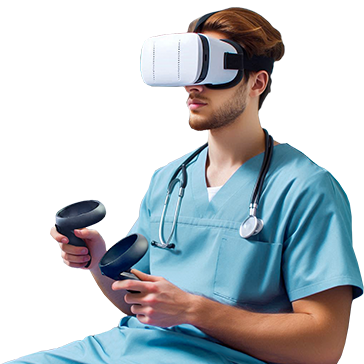
mozaMedical
Digital complex learning materials for health sciences
To deepen and check your knowledge in health sciences, use the mozaMedical STUDENT licence. To give a presentation in a classroom or at a conference, or if you have a low-speed Internet connection, choose the mozaMedical PRESENTER licence. For institutional discounts, please contact our colleagues.
mozaMedical - Digital complex learning materials for health sciences
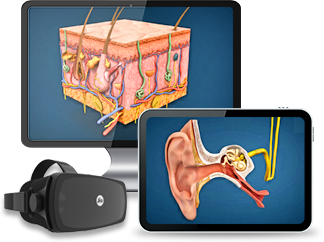
mozaMedical PERSONAL
Oppilaille - opiskeluun ja harjoitteluun
- Access to digital lessons
- Use of educational simulations with or without VR glasses
- Compatible with every device
XR Extended Reality
99 EUR / Käyttäjä
Käyttäjä
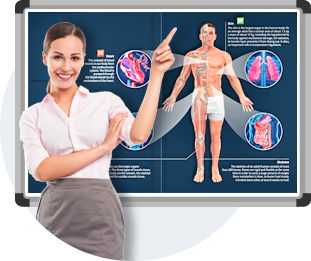
mozaMedical PROFESSIONAL
Opettajille - opetukseen ja esityksiin
- Fascinating courses with one click
- Interactive tools for assessment
- Presentations on large displays during classes and conferences
XR Extended Reality
198 EUR / Käyttäjä
Käyttäjä
*Lisenssi PACK: pakettina ostetuilla lisensseillä on sama aktivointikoodi, ja ohjelman voi aktivoida niin monella laitteella kuin paketissa on lisenssejä.
Käyttäjälisenssi
Käyttäjäkohtaisella lisenssillä yksi käyttäjä voi kirjautua ohjelmaan omilla tunnuksillaan useilta eri laitteilta (tietokone, älytaulu, tablet). Toimii sekä mozaBookissa että mozaWebissä, mutta vain yhdellä laitteella kerrallaan. Sopii niille, jotka työskentelevät omalla laitteellaan tai haluavat päästä Mozaik-järjestelmään usealta laitteelta.
Laitekohtainen lisenssi
Laitekohtaisella lisenssillä ohjelmaa voi käyttää rajoittamattomasti tietyllä laitteella kuka tahansa. Käyttäjiltä ei siis vaadita omaa lisenssiä. Sopii hyvin sellaiselle laitteelle, jota käyttää useampi opettaja tai oppilas. Lisenssi vaaditaan ainoastaan laitteelta riippumatta siitä, montako käyttäjää laitteella on. Ennen ostamista luettava oikeudellinen ilmoitus
Ostamalla School Admin lisenssin sitoudun seuraavaan:
- Minulla on oppilaitokseni virallinen valtuutus lisenssin hankkimiseen ja aion käyttää sitä ainoastaan oppilaitoksen nimissä ja sen määrittämien tarkoitusten mukaan.
- Ymmärrän, että lisenssin laiton käyttö ja erityisesti henkilötietojen luvaton käsittely ovat rikoksia.
- Lisenssin ostaessani ymmärrän olevani oikeudellisesti vastuussa sen laillisesta käytöstä. Olen rikosoikeudellisesti vastuussa kaikista väärinkäytöksistä ja tietosuojasäännösten rikkomuksista.
cadaVR - Digitaalinen anatomian atlas
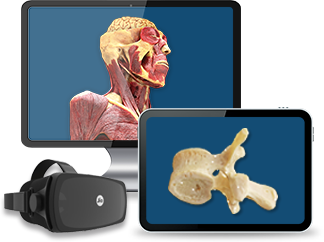
cadaVR PERSONAL
Oppilaille - opiskeluun ja harjoitteluun
- Käyttäjälisenssi, jolla opiskelija voi käyttää anatomista atlasta useilla laitteilla.
- Täysi pääsy interaktiiviseen sisältöön, tehtäviin sekä PC VR -toimintoon.
XR Extended Reality
Licence Pack*
99 EUR / Käyttäjä
Käyttäjä

cadaVR PROFESSIONAL
Luennoitsijoille - opetukseen ja esityksiin
- Käyttäjälisenssi, jolla opettaja/lääkäri voi käyttää anatomista atlasta useammalla laitteella, projektorilla ja älytaululla.
- Täysi pääsy interaktiiviseen sisältöön, tehtäviin sekä PC VR -toimintoon.
- Nopeampi toiminta, vähemmän dataliikennettä - verkkoliikennettä vähentävät ladattavat 3D-esitykset.
XR Extended Reality
Licence Pack*
198 EUR / Käyttäjä
Käyttäjä
*Lisenssi PACK: pakettina ostetuilla lisensseillä on sama aktivointikoodi, ja ohjelman voi aktivoida niin monella laitteella kuin paketissa on lisenssejä.
Käyttäjälisenssi
Käyttäjäkohtaisella lisenssillä yksi käyttäjä voi kirjautua ohjelmaan omilla tunnuksillaan useilta eri laitteilta (tietokone, älytaulu, tablet). Toimii sekä mozaBookissa että mozaWebissä, mutta vain yhdellä laitteella kerrallaan. Sopii niille, jotka työskentelevät omalla laitteellaan tai haluavat päästä Mozaik-järjestelmään usealta laitteelta.
Laitekohtainen lisenssi
Laitekohtaisella lisenssillä ohjelmaa voi käyttää rajoittamattomasti tietyllä laitteella kuka tahansa. Käyttäjiltä ei siis vaadita omaa lisenssiä. Sopii hyvin sellaiselle laitteelle, jota käyttää useampi opettaja tai oppilas. Lisenssi vaaditaan ainoastaan laitteelta riippumatta siitä, montako käyttäjää laitteella on. Ennen ostamista luettava oikeudellinen ilmoitus
Ostamalla School Admin lisenssin sitoudun seuraavaan:
- Minulla on oppilaitokseni virallinen valtuutus lisenssin hankkimiseen ja aion käyttää sitä ainoastaan oppilaitoksen nimissä ja sen määrittämien tarkoitusten mukaan.
- Ymmärrän, että lisenssin laiton käyttö ja erityisesti henkilötietojen luvaton käsittely ovat rikoksia.
- Lisenssin ostaessani ymmärrän olevani oikeudellisesti vastuussa sen laillisesta käytöstä. Olen rikosoikeudellisesti vastuussa kaikista väärinkäytöksistä ja tietosuojasäännösten rikkomuksista.
Laitoksille ja instituuteille - Complete solution for educational institutions

INSTITUTE licence
- Oppilaitoskohtainen käyttöoikeus, jolla koulun tai laitoksen koko henkilökunta ja opiskelijat tai vaikka lääkärikeskuksen työntekijät saavat täydet käyttöoikeudet.
- Täysi pääsy interaktiiviseen sisältöön, tehtäviin sekä PC VR -toimintoon.
- Nopeampi toiminta, vähemmän dataliikennettä - verkkoliikennettä vähentävät ladattavat 3D-esitykset.
Käyttäjälisenssi
Käyttäjäkohtaisella lisenssillä yksi käyttäjä voi kirjautua ohjelmaan omilla tunnuksillaan useilta eri laitteilta (tietokone, älytaulu, tablet). Toimii sekä mozaBookissa että mozaWebissä, mutta vain yhdellä laitteella kerrallaan. Sopii niille, jotka työskentelevät omalla laitteellaan tai haluavat päästä Mozaik-järjestelmään usealta laitteelta.
Laitekohtainen lisenssi
Laitekohtaisella lisenssillä ohjelmaa voi käyttää rajoittamattomasti tietyllä laitteella kuka tahansa. Käyttäjiltä ei siis vaadita omaa lisenssiä. Sopii hyvin sellaiselle laitteelle, jota käyttää useampi opettaja tai oppilas. Lisenssi vaaditaan ainoastaan laitteelta riippumatta siitä, montako käyttäjää laitteella on. Ennen ostamista luettava oikeudellinen ilmoitus
Ostamalla School Admin lisenssin sitoudun seuraavaan:
- Minulla on oppilaitokseni virallinen valtuutus lisenssin hankkimiseen ja aion käyttää sitä ainoastaan oppilaitoksen nimissä ja sen määrittämien tarkoitusten mukaan.
- Ymmärrän, että lisenssin laiton käyttö ja erityisesti henkilötietojen luvaton käsittely ovat rikoksia.
- Lisenssin ostaessani ymmärrän olevani oikeudellisesti vastuussa sen laillisesta käytöstä. Olen rikosoikeudellisesti vastuussa kaikista väärinkäytöksistä ja tietosuojasäännösten rikkomuksista.
Vertaile lisenssejä - mozaMedical
| PERSONAL LISENSSI | PROFESSIONAL LISENSSI | |
| LISTAHINTA (1 lisenssi / vuosi) | 99 EUR / Käyttäjä |
198 EUR / Käyttäjä |
| Licence PACK / vuosi (vähintään 10 lisenssiä) | 89 EUR / Käyttäjä |
178 EUR / Käyttäjä |
| Licence PACK / vuosi (vähintään 30 lisenssiä) | 84 EUR / Käyttäjä |
168 EUR / Käyttäjä |
| Licence PACK / vuosi (vähintään 100 lisenssiä) | 79 EUR / Käyttäjä |
158 EUR / Käyttäjä |
| Tilaustyyppi | Käyttäjälisenssi | Käyttäjälisenssi |
| Montako käyttäjiä voi olla? | yksi | yksi |
| Monellako laitteella toimii? | lisää | lisää |
| Saatavat toiminnot | PERSONAL | PROFESSIONAL |
| Älytaulu / Projektori / Suuri näyttö (yli 30") | ||
| VR-laitteiden tuki / PC VR | ||
| Oculus Quest 2 | Tulossa | Tulossa |

Käyttäjälisenssi
Käyttäjäkohtaisella lisenssillä yksi käyttäjä voi kirjautua ohjelmaan omilla tunnuksillaan useilta eri laitteilta (tietokone, älytaulu, tablet). Toimii sekä mozaBookissa että mozaWebissä, mutta vain yhdellä laitteella kerrallaan. Sopii niille, jotka työskentelevät omalla laitteellaan tai haluavat päästä Mozaik-järjestelmään usealta laitteelta. |
||