Vaša košarica je prazna
Ukupno: 2459
/
2459

In this lesson, viruses and artificial intelligence are studied to decide whether they can be considered living organisms.

In this lesson, you can learn about the differences between living organisms and non-living things.


Revise irregular verbs and do the exercises to practise using them in sentences.
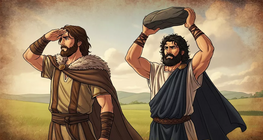
The story of Adam and Eve’s fall and Cain’s murder of Abel reveals how sin entered the world, corrupting human nature and leading to brokenness, temptation, and violence.

In this lesson, you can learn about the characteristics of the Islamic religion and its most important teachings.

In this lesson, you can learn who Muhammad was and how he became the founder of Islam.
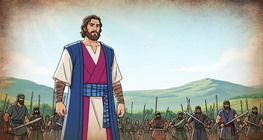
The story of Gideon shows that God can use even the weakest, and most unlikely, person to accomplish great victories when they trust and obey Him.
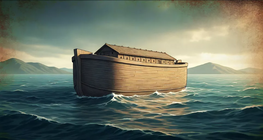
The story of Noah’s Ark illustrates that God judges sin, but patiently offers salvation to those who trust and obey Him, providing rescue and a new beginning for the faithful.
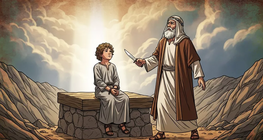
The story of Abraham and Isaac shows that true faith trusts God completely, even in impossible situations, and reveals God’s love by pointing to His own sacrifice of His Son for the world.
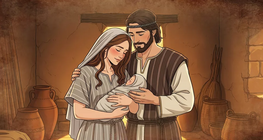
The story of Ruth shows that God rewards loyalty and faithfulness, working through ordinary choices to bring redemption, love and unexpected blessings across every boundary.
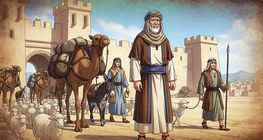
The story of Abraham’s calling reveals that true faith trusts God’s promises enough to leave comfort and security, obeying even when the path is unknown, while God remains faithful to fulfill His covenant.
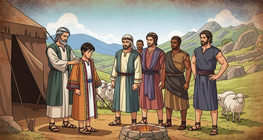
The story of Joseph shows that God is faithful and sovereign, turning betrayal, suffering, and delay into a greater plan for blessing when we remain steadfast and trust His timing.
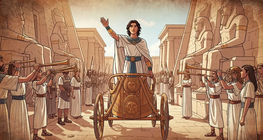
The continuation of Joseph’s story teaches that God’s timing and wisdom turn suffering into salvation, raising the humble and teaching that forgiveness and reconciliation reveal His greater plan for good.
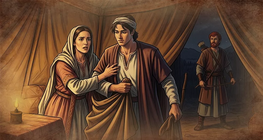
Jacob’s life illustrates that God accomplishes His plans through grace, not human effort, turning a path of conflict and deception into one of promise and renewal through His steadfast presence.
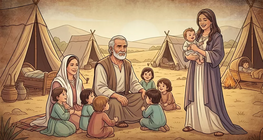
Jacob’s later years show that God keeps His promises even through hardship, using love, loss, and struggle to shape a deceiver into Israel, a man marked by blessing, perseverance and a transformed heart.
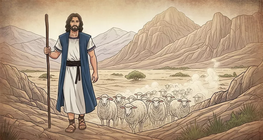
The call of Moses demonstrates that God listens to the oppressed and empowers the reluctant, revealing His living presence and unshakable plan even through human frailty and doubt.
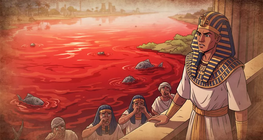
The ten plagues of Egypt display God’s unmatched authority and patient justice, humbling Pharaoh, exposing false gods, and rescuing His people through the blood of the lamb.
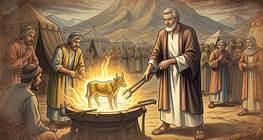
The story of the Golden Calf warns that impatience and idolatry bring judgment, yet it also highlights God’s mercy, and the saving power of a mediator who pleads for His people.
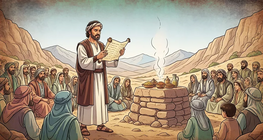
The story of Joshua shows that God’s victories come through trust and obedience, while hidden sin brings defeat, and His grace welcomes anyone, like Rahab, who believes and follows Him.
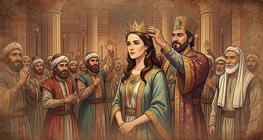
The story of Esther shows that God quietly directs events to protect His people, calling ordinary individuals to courageous action while humbling the proud and lifting the faithful.
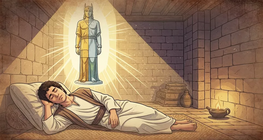
The story of the king’s dream shows that God rules over every kingdom, revealing hidden truths and giving wisdom to those who remain humble, faithful and prayerful, even in exile.
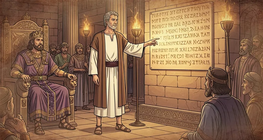
The trials in Daniel reveal that God protects His faithful servants through fire, judgment, and lions, proving His power over kings and kingdoms, and lifting up those who trust Him.