Сепетиңиз бош
Билим берүү программасы
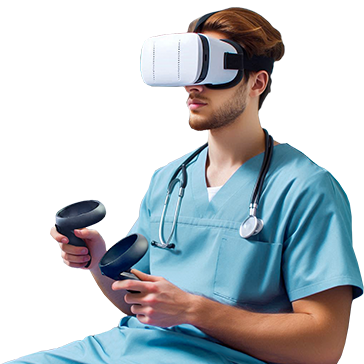
mozaMedical
Digital complex learning materials for health sciences
To deepen and check your knowledge in health sciences, use the mozaMedical STUDENT licence. To give a presentation in a classroom or at a conference, or if you have a low-speed Internet connection, choose the mozaMedical PRESENTER licence. For institutional discounts, please contact our colleagues.
mozaMedical - Digital complex learning materials for health sciences
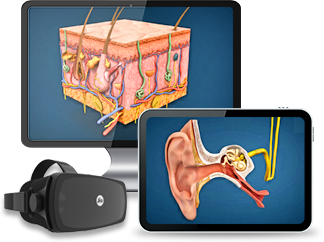
mozaMedical PERSONAL
окуучулар үчүн - окуу жана тажрыйба
- Access to digital lessons
- Use of educational simulations with or without VR glasses
- Compatible with every device
XR Extended Reality
99 EUR / Колдонуучу
Колдонуучу
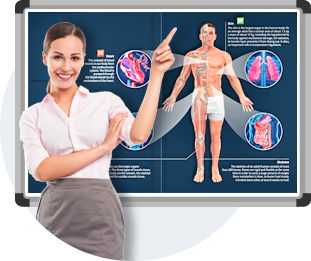
mozaMedical PROFESSIONAL
мугалимдер үчүн - окутуу жана презентациялар
- Fascinating courses with one click
- Interactive tools for assessment
- Presentations on large displays during classes and conferences
XR Extended Reality
198 EUR / Колдонуучу
Колдонуучу
*PACK Лицензиясы: топтомдо сатылып алынган лицензиялардын жалпы активдештирүү коду бар, ал топтомдогу лицензиялардын санына жараша, көп түзмөктөрдө колдонууга болот.
Колдонуучу лицензиясы
Колдонуучу лицензиясы колдонуучуга ар кандай түзмөктөрдө (мисалы, компьютерде, интерактивдүү тактада, ноутбукта, планшетте же смартфондо) өзүнүн колдонуучу атын жана сыр сөзүн колдонууга мүмкүндүк берет. Колдонуучу mozaBook жана mozaWeb экөөнү тең колдоно алат. Бирок бир эле учурда бир гана түзмөктөн кире алат. Бул лицензия түрү, колдонуучулар өз компьютерлеринде иштегенде же Mozaik платформасына бир нече түзмөктө кирүүнү каалаганда сунушталат.
Түзмөккө негизделген лицензия
Түзмөккө негизделген лицензия, андагы программаны, чексиз сандагы колдонуучуларга колдонууга мүмкүндүк берет. Мындай учурда, бардык колдонуучулардын өздүк лицензияларынын болушу зарыл эмес. Бул лицензия, бир компьютерди же түзмөктү, бир эле учурда бир нече мугалим же окуучу колдонгондо сунушталат. Мындайда, канча мугалим же окуучу колдонгонуна карабастан, түзмөк үчүн гана лицензия талап кылынат. Сатып алуудан мурун укуктук эскертүүлөрдү кабыл алуу керек.
School Admin лицензиясын сатып алуу менен мен төмөнкүлөргө макулмун:
- Мен лицензияны мекеменин ыйгарым укуктары менен сатып алып, аны мекеменин атынан жана расмий максаттарына ылайык гана колдоном.
- Мен лицензияны мыйзамсыз колдонуу, айрыкча жеке маалыматтарды уруксатысыз колдонуу кылмыш-жаза кодекси боюнча жоопкерчиликке тартыларын жана мыйзамдык кесепеттерге алып келээрин түшүнөм жана кабыл алам.
- Кылмыш жоопкерчилигин эске алуу менен бирге, сатып алуу келишимине ылайык бардык мыйзамдуу жана этикалык жоопкерчиликти өз мойнума алам жана ар кандай мыйзамсыз иш-аракеттер, атап айтканда, колдонуучунун маалыматтарын кыянаттык менен пайдалануу юридикалык кесепеттерге алып келерин түшүнөм жана кабыл алам.
cadaVR - Санариптик анатомия атласы
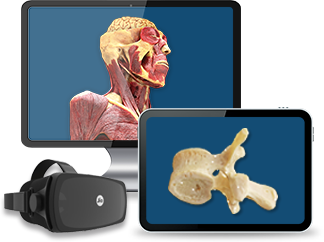
cadaVR PERSONAL
окуучулар үчүн - окуу жана тажрыйба
- Колдонуучу лицензиясы, санариптик анатомия атласын, бир окуучуга бир нече түзмөктөрдөн колдонууга мүмкүндүк берет.
- Интерактивдүү мазмунга, викторина суроолоруна жана VR (PC VR) функциясына толук мүмкүнчүлүк.
XR Extended Reality
PACK лицензиясы*
99 EUR / Колдонуучу
Колдонуучу

cadaVR PROFESSIONAL
мугалимдер үчүн - окутуу жана презентациялар
- Колдонуучу лицензиясы, мугалимге же дарыгерге санариптик анатомия атласын бир нече түзмөктөрдө, анын ичинде проекторлордо жана интерактивдүү такталарда колдонууга уруксат берет.
- Интерактивдүү мазмунга, викторина суроолоруна жана VR (PC VR) функциясына толук мүмкүнчүлүк.
- Азыраак маалымат трафигин колдонуп, тезирээк иштөө - жүктөп алууга даяр 3D үлгүлөр, трафикти азайтууга арналган.
XR Extended Reality
PACK лицензиясы*
198 EUR / Колдонуучу
Колдонуучу
*PACK Лицензиясы: топтомдо сатылып алынган лицензиялардын жалпы активдештирүү коду бар, ал топтомдогу лицензиялардын санына жараша, көп түзмөктөрдө колдонууга болот.
Колдонуучу лицензиясы
Колдонуучу лицензиясы колдонуучуга ар кандай түзмөктөрдө (мисалы, компьютерде, интерактивдүү тактада, ноутбукта, планшетте же смартфондо) өзүнүн колдонуучу атын жана сыр сөзүн колдонууга мүмкүндүк берет. Колдонуучу mozaBook жана mozaWeb экөөнү тең колдоно алат. Бирок бир эле учурда бир гана түзмөктөн кире алат. Бул лицензия түрү, колдонуучулар өз компьютерлеринде иштегенде же Mozaik платформасына бир нече түзмөктө кирүүнү каалаганда сунушталат.
Түзмөккө негизделген лицензия
Түзмөккө негизделген лицензия, андагы программаны, чексиз сандагы колдонуучуларга колдонууга мүмкүндүк берет. Мындай учурда, бардык колдонуучулардын өздүк лицензияларынын болушу зарыл эмес. Бул лицензия, бир компьютерди же түзмөктү, бир эле учурда бир нече мугалим же окуучу колдонгондо сунушталат. Мындайда, канча мугалим же окуучу колдонгонуна карабастан, түзмөк үчүн гана лицензия талап кылынат. Сатып алуудан мурун укуктук эскертүүлөрдү кабыл алуу керек.
School Admin лицензиясын сатып алуу менен мен төмөнкүлөргө макулмун:
- Мен лицензияны мекеменин ыйгарым укуктары менен сатып алып, аны мекеменин атынан жана расмий максаттарына ылайык гана колдоном.
- Мен лицензияны мыйзамсыз колдонуу, айрыкча жеке маалыматтарды уруксатысыз колдонуу кылмыш-жаза кодекси боюнча жоопкерчиликке тартыларын жана мыйзамдык кесепеттерге алып келээрин түшүнөм жана кабыл алам.
- Кылмыш жоопкерчилигин эске алуу менен бирге, сатып алуу келишимине ылайык бардык мыйзамдуу жана этикалык жоопкерчиликти өз мойнума алам жана ар кандай мыйзамсыз иш-аракеттер, атап айтканда, колдонуучунун маалыматтарын кыянаттык менен пайдалануу юридикалык кесепеттерге алып келерин түшүнөм жана кабыл алам.
Мекемелер үчүн - Complete solution for educational institutions

INSTITUTE licence
- Медициналык окуу жайдын, анатомиялык институттун же медициналык борбордун бардык студенттерине, окутуучуларына жана кызматкерлерине, мекеме деңгээлиндеги, толук кандуу кирүү мүмкүнчүлүгү.
- Интерактивдүү мазмунга, викторина суроолоруна жана VR (PC VR) функциясына толук мүмкүнчүлүк.
- Азыраак маалымат трафигин колдонуп, тезирээк иштөө - жүктөп алууга даяр 3D үлгүлөр, трафикти азайтууга арналган.
Колдонуучу лицензиясы
Колдонуучу лицензиясы колдонуучуга ар кандай түзмөктөрдө (мисалы, компьютерде, интерактивдүү тактада, ноутбукта, планшетте же смартфондо) өзүнүн колдонуучу атын жана сыр сөзүн колдонууга мүмкүндүк берет. Колдонуучу mozaBook жана mozaWeb экөөнү тең колдоно алат. Бирок бир эле учурда бир гана түзмөктөн кире алат. Бул лицензия түрү, колдонуучулар өз компьютерлеринде иштегенде же Mozaik платформасына бир нече түзмөктө кирүүнү каалаганда сунушталат.
Түзмөккө негизделген лицензия
Түзмөккө негизделген лицензия, андагы программаны, чексиз сандагы колдонуучуларга колдонууга мүмкүндүк берет. Мындай учурда, бардык колдонуучулардын өздүк лицензияларынын болушу зарыл эмес. Бул лицензия, бир компьютерди же түзмөктү, бир эле учурда бир нече мугалим же окуучу колдонгондо сунушталат. Мындайда, канча мугалим же окуучу колдонгонуна карабастан, түзмөк үчүн гана лицензия талап кылынат. Сатып алуудан мурун укуктук эскертүүлөрдү кабыл алуу керек.
School Admin лицензиясын сатып алуу менен мен төмөнкүлөргө макулмун:
- Мен лицензияны мекеменин ыйгарым укуктары менен сатып алып, аны мекеменин атынан жана расмий максаттарына ылайык гана колдоном.
- Мен лицензияны мыйзамсыз колдонуу, айрыкча жеке маалыматтарды уруксатысыз колдонуу кылмыш-жаза кодекси боюнча жоопкерчиликке тартыларын жана мыйзамдык кесепеттерге алып келээрин түшүнөм жана кабыл алам.
- Кылмыш жоопкерчилигин эске алуу менен бирге, сатып алуу келишимине ылайык бардык мыйзамдуу жана этикалык жоопкерчиликти өз мойнума алам жана ар кандай мыйзамсыз иш-аракеттер, атап айтканда, колдонуучунун маалыматтарын кыянаттык менен пайдалануу юридикалык кесепеттерге алып келерин түшүнөм жана кабыл алам.
Лицензияларды салыштырыңыз - mozaMedical
| PERSONAL LICENCE | PROFESSIONAL LICENCE | |
| БЕЛГИЛЕНГЕН БААСЫ (1 лицензия / жыл) | 99 EUR / Колдонуучу |
198 EUR / Колдонуучу |
| Лицензия PACK / жыл (кеминде 10 лицензия) | 89 EUR / Колдонуучу |
178 EUR / Колдонуучу |
| Лицензия PACK / жыл (кеминде 30 лицензия) | 84 EUR / Колдонуучу |
168 EUR / Колдонуучу |
| Лицензия PACK / жыл (кеминде 100 лицензия) | 79 EUR / Колдонуучу |
158 EUR / Колдонуучу |
| Катталуунун түрү | Колдонуучу лицензиясы | Колдонуучу лицензиясы |
| Аны канча колдонуучу колдоно алат? | бир | бир |
| Канча түзмөктө колдонууга болот? | Бир канча | Бир канча |
| Жеткиликтүү функциялар | PERSONAL | PROFESSIONAL |
| Интерактивдүү такта / Проектор / Чоң экран (30” дюймден ашык) | ||
| VR түзмөктөрүндө иштейт / Компьютер VR | ||
| Oculus Quest 2 | Жакында | Жакында |

Колдонуучу лицензиясы
Колдонуучу лицензиясы колдонуучуга ар кандай түзмөктөрдө (мисалы, компьютерде, интерактивдүү тактада, ноутбукта, планшетте же смартфондо) өзүнүн колдонуучу атын жана сыр сөзүн колдонууга мүмкүндүк берет. Колдонуучу mozaBook жана mozaWeb экөөнү тең колдоно алат. Бирок бир эле учурда бир гана түзмөктөн кире алат. Бул лицензия түрү, колдонуучулар өз компьютерлеринде иштегенде же Mozaik платформасына бир нече түзмөктө кирүүнү каалаганда сунушталат. |
||