O teu carrinho de compras está vazio
Software educacional
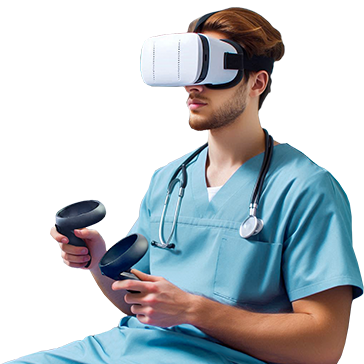
mozaMedical
Digital complex learning materials for health sciences
To deepen and check your knowledge in health sciences, use the mozaMedical STUDENT licence. To give a presentation in a classroom or at a conference, or if you have a low-speed Internet connection, choose the mozaMedical PRESENTER licence. For institutional discounts, please contact our colleagues.
mozaMedical - Digital complex learning materials for health sciences
mozaMedical PERSONAL
Para estudantes - estudo e prática
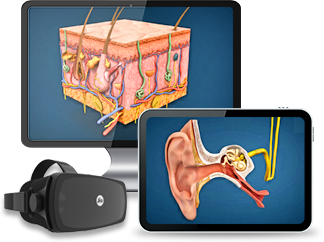
- Access to digital lessons
- Use of educational simulations with or without VR glasses
- Compatible with every device
XR Extended Reality
99 EUR / Utilizador
Utilizador
mozaMedical PROFESSIONAL
Para professores - ensino e apresentações
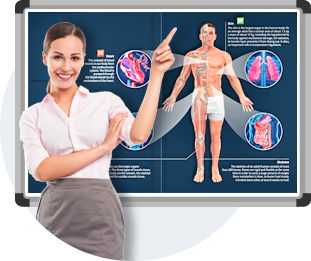
- Fascinating courses with one click
- Interactive tools for assessment
- Presentations on large displays during classes and conferences
XR Extended Reality
198 EUR / Utilizador
Utilizador
*Pacote de Licenças: as licenças adquiridas em pacote têm um código de ativação comum que pode ser usado em tantos dispositivos quanto o número de licenças no pacote.
Licença de utilizador
Uma licença de utilizador permite a esse utilizador aceder em diferentes dispositivos, tais como computadores, quadros interativos, notebooks, tablets ou smartphones) utilizando o seu próprio nome de utilizador e senha. O utilizador pode usar tanto o mozaBook como o mozaWeb, embora só possa aceder num dispositivo ao mesmo tempo. Este tipo de licença é recomendada sempre que os utilizadores trabalham nos respetivos computadores ou desejam aceder à plataforma Mozaik em diferentes dispositivos.
Licença com base num dispositivo
Uma licença de dispositivopermite que um número ilimitado de utilizadores acedam ao software e o utilizem num determinado dispositivo. Neste caso, os utilizadores não precisam de ter as suas próprias licenças. Esta licença é recomendada sempre que vários professores e alunos utilizam o mesmo dispositivo. Assim sendo, basta que o dispositivo tenha uma licença, independentemente do número de professores e alunos que o utilizam. Declaração legal a aceitar antes da compra
Ao adquirir uma Licença de Administrador Escolar, confirmo que:
- Estou a adquirir a licença com a expressa autoridade da instituição e irei utilizá-la excluisvamente em seu nome e de acordo com as suas finalidades oficiais.
- Reconheço que a utilização ilegal da licença, especialmente o processamento não-autorizado de dados pessoais, constitui um delito.
- Consciente das minhas responsabilidades criminais, declaro assumir toda e qualquer responsabilidade legal e ética relacionada com a aquisição, bem como estar consciente que qualquer ação ilegal, em particular o uso indevido de dados de utilizador, terá consequências legais.
cadaVR - Atlas anatómico digital
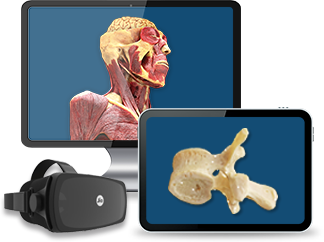
cadaVR PERSONAL
Para estudantes - estudo e prática
- Licença de utilização que permite a um aluno usar o atlas anatómico digital em múltiplos dispositivos.
- Acesso integral aos conteúdos interativos, exercícios e função de realidade virtual (PC RV).
XR Extended Reality
Pacote de licenças*
99 EUR / Utilizador
Utilizador
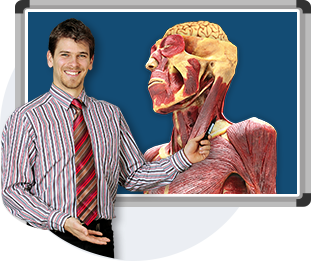
cadaVR PROFESSIONAL
Para palestrantes - ensino e apresentações
- Licença de utilização que permite a um professor usar o atlas anatómico digital em múltiplos dispositivos, incluindo projetores e quadros interativos.
- Acesso integral aos conteúdos interativos, exercícios e função de realidade virtual (PC RV).
- Funcionamento mais rápido, menor transferência de dados - modelos 3D descarregáveis para reduzir o tráfico de dados.
XR Extended Reality
Pacote de licenças*
198 EUR / Utilizador
Utilizador
*Pacote de Licenças: as licenças adquiridas em pacote têm um código de ativação comum que pode ser usado em tantos dispositivos quanto o número de licenças no pacote.
Licença de utilizador
Uma licença de utilizador permite a esse utilizador aceder em diferentes dispositivos, tais como computadores, quadros interativos, notebooks, tablets ou smartphones) utilizando o seu próprio nome de utilizador e senha. O utilizador pode usar tanto o mozaBook como o mozaWeb, embora só possa aceder num dispositivo ao mesmo tempo. Este tipo de licença é recomendada sempre que os utilizadores trabalham nos respetivos computadores ou desejam aceder à plataforma Mozaik em diferentes dispositivos.
Licença com base num dispositivo
Uma licença de dispositivopermite que um número ilimitado de utilizadores acedam ao software e o utilizem num determinado dispositivo. Neste caso, os utilizadores não precisam de ter as suas próprias licenças. Esta licença é recomendada sempre que vários professores e alunos utilizam o mesmo dispositivo. Assim sendo, basta que o dispositivo tenha uma licença, independentemente do número de professores e alunos que o utilizam. Declaração legal a aceitar antes da compra
Ao adquirir uma Licença de Administrador Escolar, confirmo que:
- Estou a adquirir a licença com a expressa autoridade da instituição e irei utilizá-la excluisvamente em seu nome e de acordo com as suas finalidades oficiais.
- Reconheço que a utilização ilegal da licença, especialmente o processamento não-autorizado de dados pessoais, constitui um delito.
- Consciente das minhas responsabilidades criminais, declaro assumir toda e qualquer responsabilidade legal e ética relacionada com a aquisição, bem como estar consciente que qualquer ação ilegal, em particular o uso indevido de dados de utilizador, terá consequências legais.
Para instituições - Complete solution for educational institutions
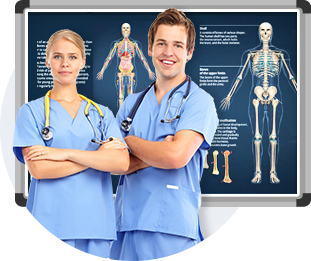
INSTITUTE licence
- Acesso a nível institucional, concedendo acesso integral a todos os estudantes, professores e pessoal de uma instituição de ensino de Medicina, instituto anatómico ou centro médico.
- Acesso integral aos conteúdos interativos, exercícios e função de realidade virtual (PC RV).
- Funcionamento mais rápido, menor transferência de dados - modelos 3D descarregáveis para reduzir o tráfico de dados.
Licença de utilizador
Uma licença de utilizador permite a esse utilizador aceder em diferentes dispositivos, tais como computadores, quadros interativos, notebooks, tablets ou smartphones) utilizando o seu próprio nome de utilizador e senha. O utilizador pode usar tanto o mozaBook como o mozaWeb, embora só possa aceder num dispositivo ao mesmo tempo. Este tipo de licença é recomendada sempre que os utilizadores trabalham nos respetivos computadores ou desejam aceder à plataforma Mozaik em diferentes dispositivos.
Licença com base num dispositivo
Uma licença de dispositivopermite que um número ilimitado de utilizadores acedam ao software e o utilizem num determinado dispositivo. Neste caso, os utilizadores não precisam de ter as suas próprias licenças. Esta licença é recomendada sempre que vários professores e alunos utilizam o mesmo dispositivo. Assim sendo, basta que o dispositivo tenha uma licença, independentemente do número de professores e alunos que o utilizam. Declaração legal a aceitar antes da compra
Ao adquirir uma Licença de Administrador Escolar, confirmo que:
- Estou a adquirir a licença com a expressa autoridade da instituição e irei utilizá-la excluisvamente em seu nome e de acordo com as suas finalidades oficiais.
- Reconheço que a utilização ilegal da licença, especialmente o processamento não-autorizado de dados pessoais, constitui um delito.
- Consciente das minhas responsabilidades criminais, declaro assumir toda e qualquer responsabilidade legal e ética relacionada com a aquisição, bem como estar consciente que qualquer ação ilegal, em particular o uso indevido de dados de utilizador, terá consequências legais.
Comparar licenças - mozaMedical
| LICENÇA PERSONAL | LICENÇA PROFISSIONAL | |
| PREÇÁRIO (1 licença / ano) | 99 EUR / Utilizador |
198 EUR / Utilizador |
| PACK Licença / ano (10 licenças no mínimo) | 89 EUR / Utilizador |
178 EUR / Utilizador |
| PACK Licença / ano (30 licenças no mínimo) | 84 EUR / Utilizador |
168 EUR / Utilizador |
| PACK Licença / ano (100 licenças no mínimo) | 79 EUR / Utilizador |
158 EUR / Utilizador |
| Tipo de subscrição | Licença de utilizador | Licença de utilizador |
| Quantos utilizadores podem usar? | um | um |
| Em quantos dispositivos pode ser utilizado? | múltiplos | múltiplos |
| Funções disponíveis | PERSONAL | PROFESSIONAL |
| Quadro / Projetor / Ecrã grande (Superior a 30”) | ||
| Suporte de dispositivos de realidade virtual / PC VR | ||
| Oculus Quest 2 | brevemente | brevemente |

Licença de utilizador
Uma licença de utilizador permite a esse utilizador aceder em diferentes dispositivos, tais como computadores, quadros interativos, notebooks, tablets ou smartphones) utilizando o seu próprio nome de utilizador e senha. O utilizador pode usar tanto o mozaBook como o mozaWeb, embora só possa aceder num dispositivo ao mesmo tempo. Este tipo de licença é recomendada sempre que os utilizadores trabalham nos respetivos computadores ou desejam aceder à plataforma Mozaik em diferentes dispositivos. |
||