Your cart is empty
The developed North and the developing South
The developed North and the developing South
There is a huge gap between the socio-economic conditions of the northern and southern hemispheres. The reasons for this can be traced back to geographical and historical factors.
02:04
Grades 5 – 10
mozaLink
/Weblink
Narration

The developed North and the developing South
Continents are not situated the same way in the northern and southern hemispheres.
The large land masses of the northern hemisphere are mainly in the temperate region.
The geographical characteristics of this region
offer diverse opportunities for human societies and agriculture to develop.
This might be one of the main reasons why the countries with developed economies are mainly situated
in the “wealthy North”.
The continents of the southern hemisphere can mostly be found in the tropical or arid regions.
Most of the time, climatic conditions are disadvantageous to agriculture,
and this limits production in that area.
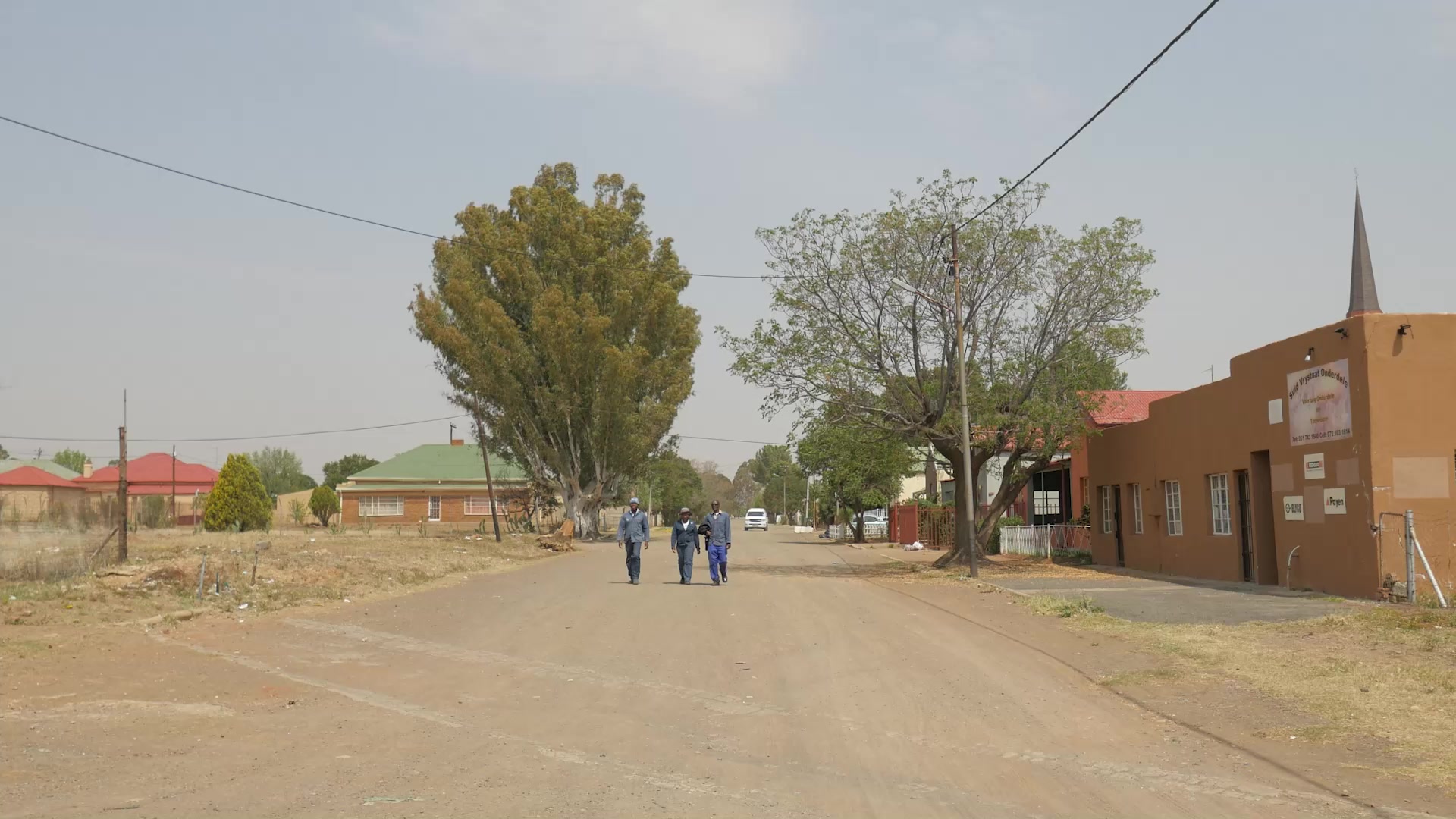
So the countries that can be found here in the “poor South” are mostly still developing.
Right at the beginning of their development,
the societies of the northern hemisphere took advantage of the benefits of their geographical position.
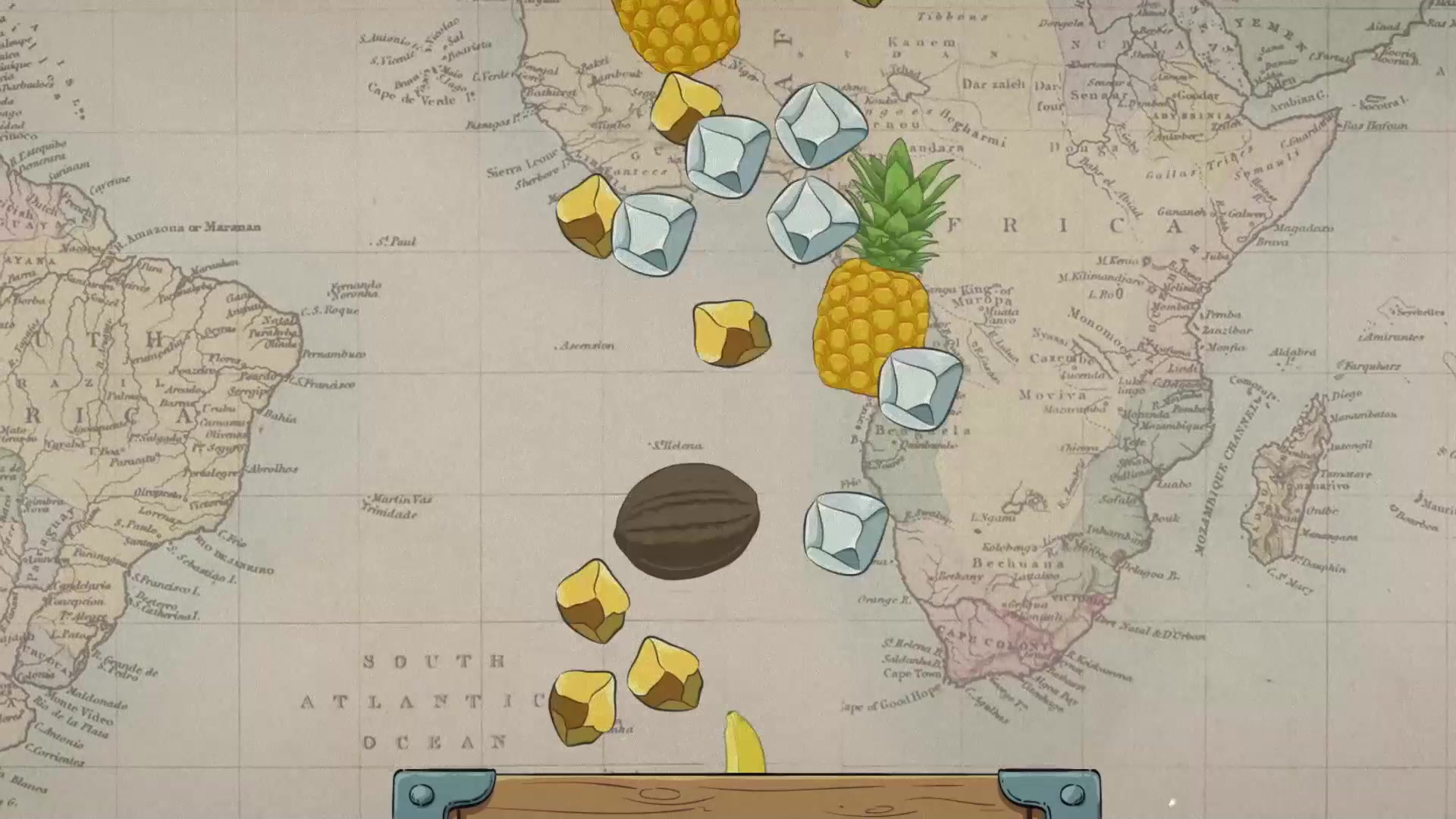
Most of the time, this happened at the expense of the less developed, southern regions.
Differences intensified between the more developed northern countries and the southern countries,
which were having difficulty keeping up with global socio-economic advancement anyway.
The countries of the “South” are faced with a population boom,
a unilateral dependence on the global market
and all the attendant consequences, including unemployment and famine.
The developed northern countries have realised that the intensifying social tensions in the “South”
can soon spread over the globe, thus putting their own welfare at risk.
Continents are not situated the same way in the northern and southern hemispheres.
The large land masses of the northern hemisphere are mainly in the temperate region.
The geographical characteristics of this region
offer diverse opportunities for human societies and agriculture to develop.
This might be one of the main reasons why the countries with developed economies are mainly situated
in the “wealthy North”.
The continents of the southern hemisphere can mostly be found in the tropical or arid regions.
Most of the time, climatic conditions are disadvantageous to agriculture,
and this limits production in that area.
So the countries that can be found here in the “poor South” are mostly still developing.
Right at the beginning of their development,
the societies of the northern hemisphere took advantage of the benefits of their geographical position.
Most of the time, this happened at the expense of the less developed, southern regions.
Differences intensified between the more developed northern countries and the southern countries,
which were having difficulty keeping up with global socio-economic advancement anyway.
The countries of the “South” are faced with a population boom,
a unilateral dependence on the global market
and all the attendant consequences, including unemployment and famine.
The developed northern countries have realised that the intensifying social tensions in the “South”
can soon spread over the globe, thus putting their own welfare at risk.